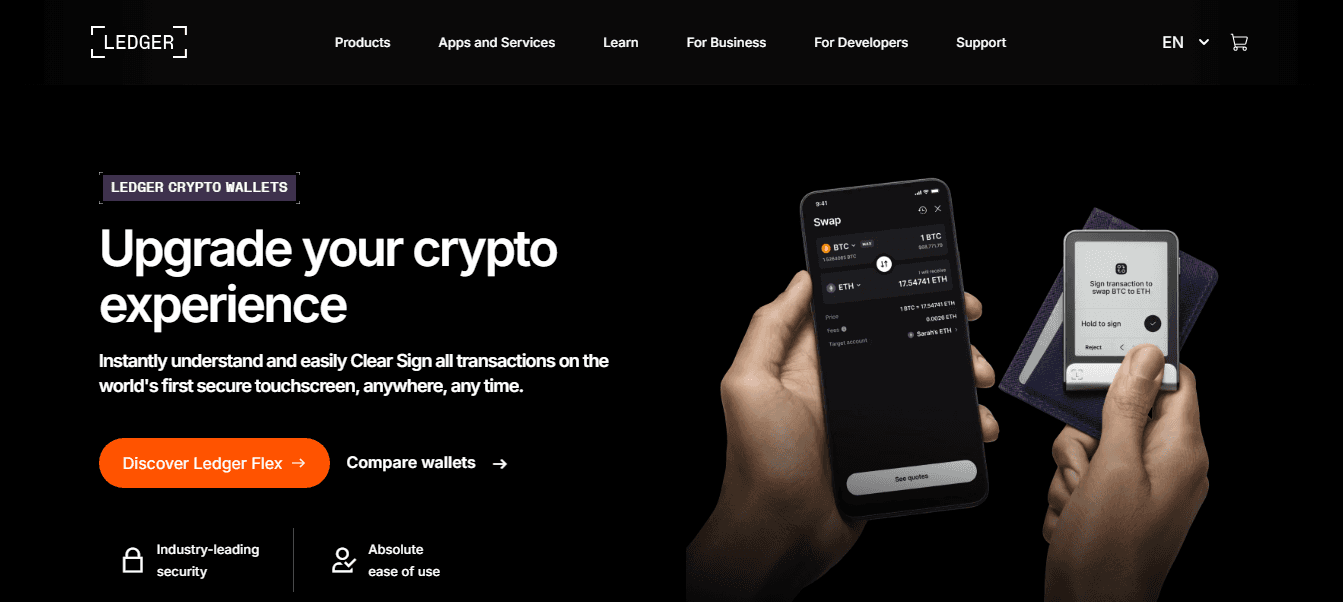
Ledger Login: Understanding Secure Access to Your Digital Assets
Ledger login refers to the secure process of accessing and managing cryptocurrency accounts using a Ledger hardware wallet in combination with the Ledger application. Unlike traditional login systems that rely on usernames and passwords, Ledger login is built around hardware-based authentication and cryptographic verification. This approach provides a higher level of security and ensures that users remain in full control of their digital assets.
This guide explains what Ledger login is, how it works, its security principles, and why it is different from conventional login methods.
What Is Ledger Login?
Ledger login is not a typical account-based login system. There is no centralized account, password, or stored credentials that users sign into online. Instead, Ledger login involves connecting a Ledger hardware wallet to a compatible application and confirming access directly on the physical device.
The hardware wallet acts as the identity verification tool. Access to crypto accounts is granted only when the correct device is connected and unlocked with a personal identification number. This design removes reliance on online authentication systems and significantly reduces the risk of unauthorized access.
The Concept Behind Hardware-Based Login
Traditional logins depend on information such as usernames, passwords, and two-factor authentication codes. These methods can be vulnerable to phishing, data breaches, and malware. Ledger login replaces these mechanisms with hardware-based verification.
The Ledger device stores private keys in a secure environment that never connects to the internet. When users want to access their accounts, the device must be physically present and unlocked. This ensures that only the rightful owner can authorize access and transactions.
How Ledger Login Works
Ledger login follows a simple but highly secure process. First, the user connects their Ledger hardware wallet to a computer or mobile device. The device is then unlocked using a PIN code chosen during initial setup. Once unlocked, the Ledger application can communicate with the hardware wallet to display account information.
All sensitive actions, such as accessing accounts or approving transactions, require confirmation on the device itself. This ensures that no action can be performed remotely without the user’s knowledge or consent.
Role of the PIN Code in Ledger Login
The PIN code is a crucial part of the Ledger login process. It protects the hardware wallet from unauthorized physical access. Without the correct PIN, the device cannot be unlocked, and access to accounts is denied.
Multiple incorrect PIN attempts trigger security protections within the device. This feature prevents brute-force attacks and protects digital assets even if the device is lost or stolen.
No Usernames or Passwords
One of the defining features of Ledger login is the absence of usernames and passwords. There is no online account tied to personal data. This reduces exposure to common cyber threats such as credential leaks or database breaches.
Instead of relying on memorized credentials, Ledger login depends on physical possession of the device and knowledge of the PIN. This combination provides a strong and simple security model.
Private Keys and Login Security
Private keys are the foundation of cryptocurrency ownership. During Ledger login, private keys are never shared, transmitted, or exposed. They remain securely stored inside the hardware wallet.
The Ledger application only acts as an interface to display information and prepare transactions. Signing and authorization always occur within the hardware wallet, ensuring that private keys stay protected at all times.
Verifying Access Through Physical Confirmation
Every critical action during Ledger login requires physical confirmation on the device. This includes accessing accounts and approving transactions. The device screen displays details that users must review before confirming.
This verification step ensures that even if the connected computer or smartphone is compromised, unauthorized actions cannot be completed without physical approval.
Ledger Login on Different Devices
Ledger login works across multiple platforms, including desktop and mobile environments. While the interface may vary slightly, the core login process remains the same. The hardware wallet must be connected and unlocked to grant access.
This consistency ensures that users experience the same level of security regardless of the device they use.
Recovery Phrase and Login Restoration
The recovery phrase plays a vital role in Ledger login recovery. If a hardware wallet is lost, damaged, or reset, the recovery phrase allows users to restore access to their accounts on a new device.
The recovery phrase should never be stored digitally or shared with anyone. Anyone with access to this phrase can recreate the wallet and gain full control over the assets.
Common Login Mistakes to Avoid
Users should avoid entering their recovery phrase into any application, website, or form during login. Ledger login never requires the recovery phrase except when restoring a wallet on a trusted hardware device.
It is also important to verify information displayed on the hardware wallet screen rather than relying solely on what appears on the computer or phone.
Security Advantages of Ledger Login
Ledger login offers several advantages over traditional login systems. It eliminates password-related risks, reduces exposure to phishing attacks, and prevents unauthorized remote access.
Because access requires both the physical device and correct PIN, the security model is strong even in hostile digital environments.
User Responsibility in Ledger Login
While Ledger login provides advanced security, users play an essential role. Safeguarding the hardware wallet, protecting the PIN, and securely storing the recovery phrase are critical responsibilities.
Users should also remain vigilant against social engineering attempts and only trust information displayed directly on the hardware wallet screen.
Ledger Login vs Traditional Account Login
Traditional login systems rely on centralized databases and authentication servers. Ledger login removes these dependencies by using decentralized, hardware-based authentication.
This shift gives users full ownership of their access credentials and reduces reliance on third parties, aligning with the core principles of cryptocurrency.
Accessibility and Ease of Use
Despite its advanced security, Ledger login is designed to be user-friendly. The login process is straightforward and does not require technical expertise. Guided prompts and clear instructions make it accessible to beginners.
At the same time, experienced users benefit from the transparency and control that hardware-based login provides.
Maintaining Secure Login Practices
To maintain secure Ledger login practices, users should keep their device firmware updated and regularly review security settings. Physical security is just as important as digital protection.
Using the hardware wallet only on trusted devices and environments further enhances safety.
Long-Term Reliability of Ledger Login
Ledger login is built for long-term use. Its reliance on cryptographic principles and hardware security ensures durability even as digital threats evolve.
This model supports long-term asset storage and responsible digital ownership.
Who Should Use Ledger Login?
Ledger login is ideal for users who prioritize security and self-custody. It suits individuals holding digital assets for the long term as well as those who want a reliable way to access their accounts without relying on online credentials.
Both beginners and advanced users can benefit from its simplicity and strength.
Conclusion
Ledger login represents a modern and secure approach to accessing cryptocurrency accounts. By eliminating traditional usernames and passwords and relying on hardware-based authentication, it provides a strong defense against digital threats.
Through physical confirmation, offline key storage, and user-controlled access, Ledger login empowers individuals to manage their digital assets with confidence, security, and full ownership.