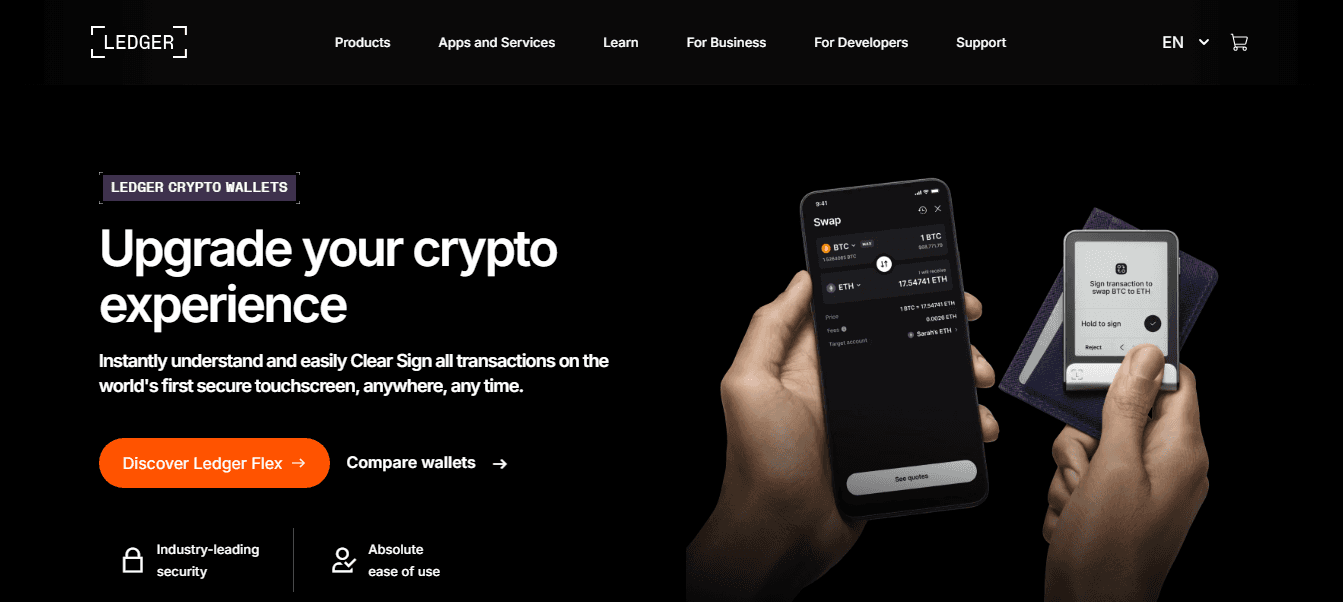
Ledger Login: A Complete Explanation of Secure Access and Digital Ownership
Ledger login refers to the secure process used to access and manage cryptocurrency accounts with the help of a Ledger hardware wallet. Unlike traditional login systems that rely on usernames, passwords, and centralized databases, Ledger login is based on hardware authentication and cryptographic verification. This method is designed to give users full ownership of their digital assets while minimizing exposure to online risks.
This content explains how Ledger login works, why it is different from conventional login systems, and how it supports long-term security and control.
What Is Ledger Login?
Ledger login is not a typical sign-in system. There is no online account, email registration, or password stored on a server. Instead, access is granted only when a Ledger hardware wallet is physically connected and unlocked.
The hardware wallet itself acts as the authentication tool. Ownership of cryptocurrency accounts is proven using private keys stored inside the device, rather than credentials stored online. This removes many of the risks associated with centralized login systems.
Hardware Wallet as the Core of Login
At the heart of Ledger login is the hardware wallet. This physical device stores private keys in a secure, isolated environment that remains offline at all times. These private keys are required to access accounts and approve transactions.
During login, the connected application communicates with the hardware wallet to request access. However, the application cannot proceed unless the device is unlocked and approved by the user. This separation ensures that sensitive information is never exposed to the internet.
How the Ledger Login Process Works
The Ledger login process follows a clear and secure sequence. First, the user connects the Ledger hardware wallet to a computer or mobile device. The wallet is then unlocked using a PIN code entered directly on the device.
Once unlocked, the application can display public information such as balances and transaction history. Any sensitive action, including account access or fund transfers, requires physical confirmation on the hardware wallet screen.
Importance of the PIN Code
The PIN code plays a critical role in Ledger login security. It protects the device from unauthorized physical access. Without the correct PIN, the hardware wallet remains locked and inaccessible.
Ledger devices include protection against repeated incorrect PIN attempts. These safeguards ensure that even if the device is lost or stolen, access to digital assets remains protected.
No Usernames, No Passwords
One of the most important features of Ledger login is the absence of usernames and passwords. There is no centralized database that can be hacked or leaked.
Instead, authentication depends on two factors: possession of the hardware wallet and knowledge of the PIN. This approach removes common attack methods such as phishing, credential stuffing, and password reuse.
Private Keys and Secure Access
Private keys represent ownership of cryptocurrency. With Ledger login, private keys never leave the hardware wallet. They are never displayed, copied, or transmitted to the connected device.
The application only prepares requests and displays information. All cryptographic operations, including transaction signing, are performed inside the hardware wallet. This ensures that private keys remain protected even if the computer or phone is compromised.
Physical Confirmation for Every Action
Every sensitive action during Ledger login requires physical confirmation. The hardware wallet displays details on its own screen, allowing users to review and approve them manually.
This feature ensures that malware or unauthorized software cannot perform actions without the user’s knowledge. Physical confirmation adds a powerful layer of protection against remote attacks.
Ledger Login on Different Platforms
Ledger login works across desktop and mobile platforms. While the interface may look different depending on the device, the login principles remain the same.
In all cases, the hardware wallet must be connected and unlocked. This consistency ensures a uniform level of security regardless of how users access their accounts.
Recovery Phrase and Login Restoration
The recovery phrase is essential for restoring access if the hardware wallet is lost, damaged, or reset. This phrase allows users to recreate their wallet on a new Ledger device.
During normal Ledger login, the recovery phrase is never required. It should only be entered directly into a trusted hardware wallet during the recovery process. Protecting this phrase is critical, as anyone who has it can access the funds.
Common Ledger Login Mistakes
One common mistake is entering the recovery phrase into a computer, application, or website. Ledger login never requires the recovery phrase during regular access.
Another mistake is failing to verify details on the hardware wallet screen. Users should always trust the information shown on the device itself rather than relying solely on the connected application.
Security Benefits of Ledger Login
Ledger login offers strong protection against many online threats. By eliminating passwords and centralized accounts, it reduces the risk of data breaches and phishing attacks.
Because access requires physical possession of the device and user approval, remote attackers cannot gain control without direct access to the hardware wallet.
User Responsibility in Ledger Login
While Ledger login provides advanced security, users play a vital role in maintaining protection. Safeguarding the hardware wallet, keeping the PIN confidential, and storing the recovery phrase securely are essential responsibilities.
Users should also remain alert to social engineering attempts and never share sensitive information.
Comparison with Traditional Login Systems
Traditional login systems rely on centralized servers and stored credentials. These systems can be compromised if databases are breached or authentication services fail.
Ledger login removes these vulnerabilities by decentralizing authentication. Access is verified locally on the device, giving users full control and reducing reliance on third parties.
Ease of Use and Accessibility
Despite its strong security, Ledger login is designed to be user-friendly. The login process is straightforward and does not require technical expertise.
Clear instructions and physical confirmation steps make it accessible to beginners while offering transparency and control for experienced users.
Maintaining Long-Term Login Security
To ensure long-term security, users should keep their device firmware updated and regularly review security practices. Physical storage of the hardware wallet is just as important as digital protection.
Using the device only on trusted systems and environments further enhances safety.
Reliability for Long-Term Asset Management
Ledger login is designed for long-term use. Its reliance on cryptographic principles and hardware isolation makes it resilient against evolving digital threats.
This reliability makes it suitable for users who plan to store and manage digital assets over extended periods.
Who Should Use Ledger Login?
Ledger login is ideal for individuals who value security, privacy, and full ownership of their digital assets. It is suitable for beginners learning about self-custody and experienced users managing long-term holdings.
Anyone seeking an alternative to password-based authentication can benefit from its design.
Conclusion
Ledger login represents a secure and modern approach to accessing cryptocurrency accounts. By eliminating usernames and passwords and relying on hardware-based authentication, it significantly reduces exposure to online risks.
Through offline private key storage, physical confirmation, and user-controlled access, Ledger login empowers individuals to manage their digital assets with confidence, security, and complete ownership.